How to Sell a Car Privately, Step by Step
How to sell a car privately: gather the papers, set a fair price, write the ad, handle viewings and payment safely, and finish the paperwork.
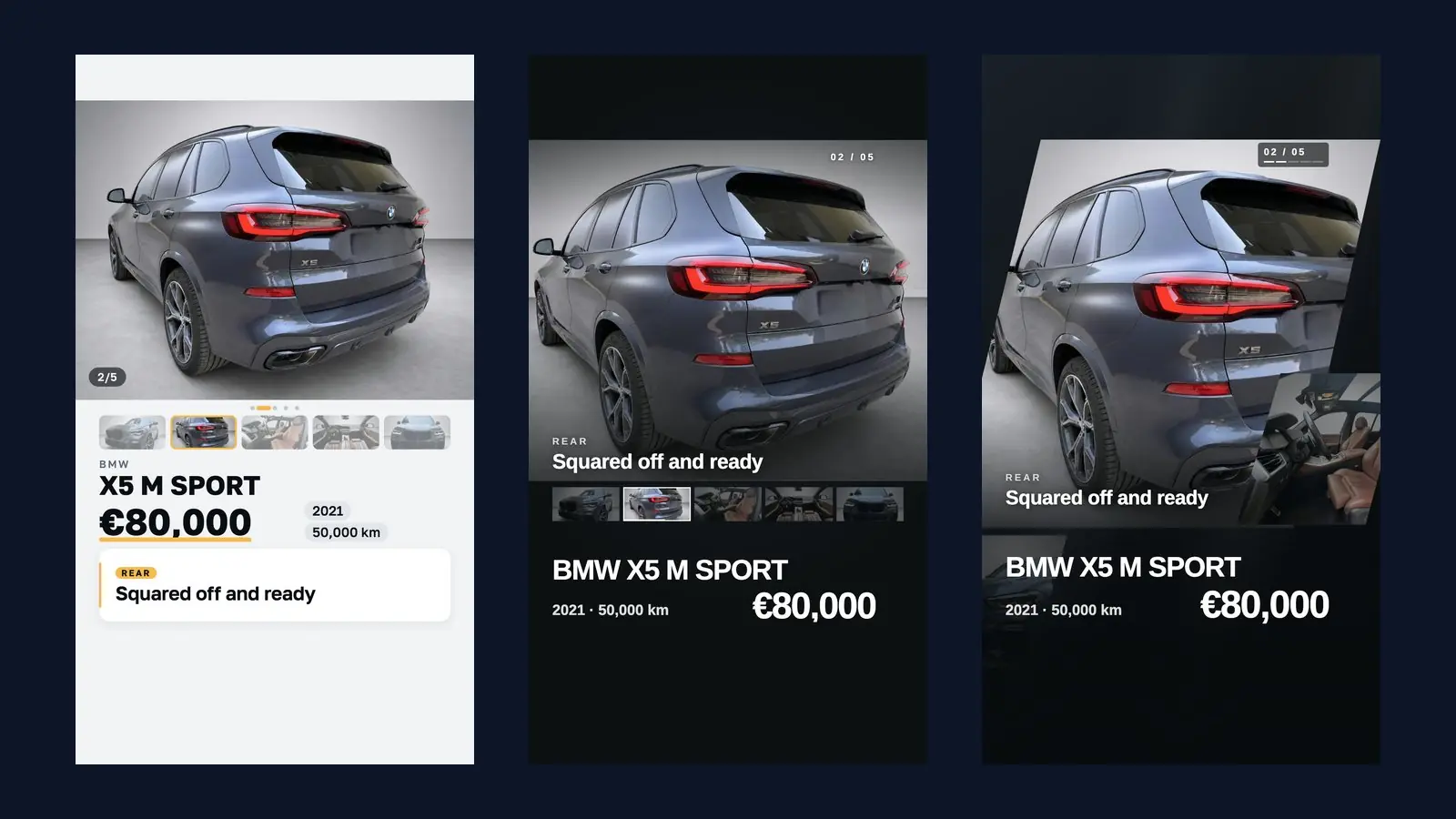
To sell a car privately, work through seven steps in order: gather the documents, set a price from real listings, prepare the car, write an honest ad with good photos and a short video, answer buyers and run safe viewings, take payment only once it has cleared, and finish the paperwork the same day. Each step below explains what to do and what to avoid.
Selling to another private person usually takes more effort than trading in at a dealer, and in return you set the price yourself. The work is predictable once you see it as a short project rather than a weekend of hoping the phone rings.
What do you need before you sell a car privately?
You need the registration document, the service history, every key, and an honest list of the car's faults. Collect them before you list, because a serious buyer will ask about each one in the first call:
- The registration document in your name (in the UK, the V5C logbook). If the details on it are out of date, sort that out first.
- Service records. Invoices, stamps in the service book, and the date and mileage of big jobs such as a timing belt, clutch or tyres.
- The inspection status. In the UK, for example, the MOT expiry date.
- Both keys, the locking wheel nut, the manuals and anything that came with the car.
- Any outstanding finance. If the car is still financed, ask the lender how to settle it before you sell. Buyers check, and a car with money owing on it is hard to sell.
Rules about paperwork differ by country and change from time to time. Check the official government website for your country before you advertise, not a forum.
How do you price a car for a private sale?
Price it from cars that are really for sale near you: same make, model, year, engine and similar mileage. Look at ten or more listings on the sites buyers in your area use and ignore the most expensive ones, because an asking price is not a selling price.
Then set your asking price slightly above the lowest figure you would accept, so there is room to negotiate. If your car is dearer than similar ones, the ad has to say why: lower mileage, a recent major service, a better trim or new tyres. Buyers accept a higher price when they can see the reason.
How should you prepare the car?
Clean it inside and out, fix the small things that are cheap to fix, and leave the rest in the ad as known faults. A washed car with an empty boot and a clear dashboard looks looked-after in photos and at the viewing.
Do not hide anything. A buyer who finds a fault you did not mention stops trusting everything else you said, and a fault you described with a photo is rarely a reason to haggle.
Write the ad and add a short video
The ad does most of the selling. Put the year, make, model, engine and mileage in the title, then describe condition, history, equipment and known faults in that order. Our guide on how to write a used car ad has a title formula, a full sample listing and a checklist.
Many buyers scroll listings and social feeds on a phone with the sound off. A short silent vertical video made from your listing photos gives them a quick look at the car, and you can also send it to people who message you before a viewing. You do not need to film anything: see how to turn listing photos into a vertical video. Check each site's current rules first, because not every site accepts video.
Where should you advertise a used car?
Advertise where buyers in your area already look. In the UK and Ireland that usually means Facebook Marketplace, the big classified car sites and local groups. Posting the same ad in two or three places reaches more people without much extra work.
Fees, listing rules and which fields each form has change, so check them on the site before you publish. Keep one version of your text and adapt it to each form instead of writing three different ads.
How do you handle viewings and test drives safely?
Meet in daylight, at your home or a busy public place, and have someone with you if you can. Before a test drive, look at the buyer's driving licence, make sure they are insured to drive your car, and go with them. Keep the keys in your hand when you are not in the car.
Be wary of buyers who will not see the car but want to pay at once, who ask you to send money to a "courier" or "agent", or who pay more than the price and ask for the difference back. Those are classic scam patterns.
How should the buyer pay?
Hand over the car and the keys only when the money is in your account and cannot be reversed. A bank transfer that you can see as cleared in your own banking app is the simplest option. If the buyer pays cash, count it with them, ideally at a bank where notes can be checked.
Do not rely on a screenshot of a payment or an email that says money has been sent. Wait until your bank shows it.
What paperwork finishes a private car sale?
Write a short receipt or sale agreement and sign two copies: both names and addresses, the car's make, model, registration and VIN, the date and time, the mileage, the price, and the known faults you disclosed. Then tell the registration authority and your insurer that you have sold the car, in the way your country requires. In the UK, for example, you tell DVLA you have sold the vehicle. Elsewhere, check the official government website for the exact steps.
Remove your personal data from the car before it leaves: phone pairing, saved addresses, garage door remotes and any connected-car app.
Private sale checklist
- Registration document, service records, keys and manuals ready
- Price checked against at least ten similar cars for sale
- Car cleaned; every known fault written down and photographed
- Ad written with the key facts in the title; short video added where the site allows it
- Viewings in daylight, licence and insurance checked before a test drive
- Payment cleared in your account before the keys change hands
- Receipt signed in two copies; registration authority and insurer told
A private sale goes smoothly when the buyer can trust what they read and see. Start with the ad, then turn your listing photos into a short video with AutoDash: make your first five videos free.